Pool Shock vs. Chlorine: What’s the Real Difference?
Pool shock and chlorine are often talked about as if they’re the same thing. They’re sold side by side, both promise clean water, and both contain chlorine in some form. But despite the overlap, they play very different roles in pool care. Understanding how each one works—and why your pool needs both—can dramatically improve water clarity, comfort, and long-term maintenance.
Chlorine: Your Pool’s Daily Defense
Chlorine is the backbone of everyday pool sanitation. Its job is to continuously disinfect the water by killing bacteria, algae spores, and other contaminants that enter the pool through swimmers, weather, and debris. When chlorine dissolves in water, it forms free available chlorine, which actively works to keep the pool safe as long as levels and pH remain balanced.
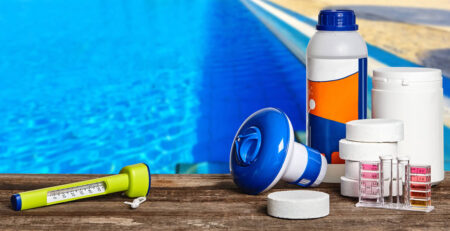
Most residential pools rely on slow-dissolving chlorine tablets because they provide consistent, predictable sanitation. Liquid and granular chlorine are also used, but the purpose is always the same: maintaining stable sanitizer levels day after day. Chlorine works best as a steady, ongoing solution rather than a corrective one.
Pool Shock: The Reset Button for Your Water
Pool shock is designed for moments when normal chlorine levels aren’t enough. Over time, chlorine binds to organic waste like sweat, body oils, and sunscreen. These compounds—known as chloramines—are what cause strong chlorine odors, cloudy water, and swimmer irritation. Ironically, when a pool smells strongly of chlorine, it often means the water isn’t being sanitized effectively.
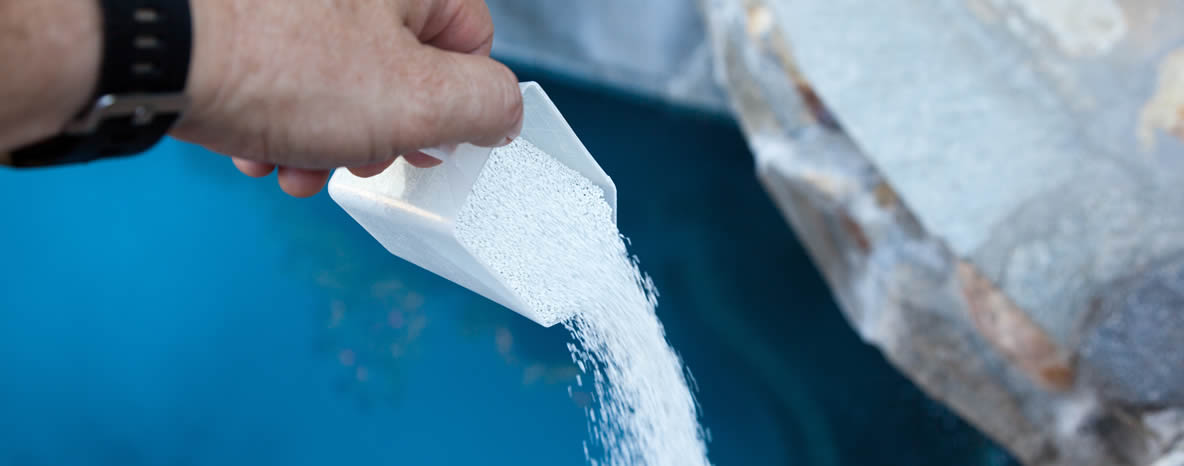
Shocking the pool delivers a high concentration of oxidizing power that breaks down these chloramines, clears organic buildup, and restores chlorine’s effectiveness. It’s also highly effective for eliminating algae, correcting cloudy water, and recovering after heavy pool use or storms.
If chlorine is everyday cleaning, pool shock is the deep clean that keeps problems from quietly building up.
Why Pools Need Both
Because shock contains chlorine, some homeowners assume it can replace regular chlorine use. In practice, this usually leads to inconsistent water quality. Shock raises chlorine levels quickly, but those levels fall just as fast. Without ongoing chlorine, the pool becomes vulnerable again.
On the other hand, relying only on chlorine tablets without shocking allows contaminants to accumulate slowly, reducing sanitizer efficiency. The most effective pool care strategy uses both products together—chlorine for daily protection and shock for periodic correction.
When Shocking the Pool Makes Sense
Most pools benefit from shock treatments on a regular basis, even when the water looks clear. Common situations where shock is especially important include:
- After heavy swimmer use
- Following rainstorms or extreme heat
- When water becomes cloudy or dull
- If algae begins to appear
- When the pool smells strongly of chlorine
Many pool professionals recommend shocking weekly during peak swim season as preventative maintenance.
Using Pool Shock Correctly
More shock is not always better. Overuse can raise chlorine levels too high, damage pool surfaces, and extend swim wait times. For best results, shock is typically added in the evening so sunlight doesn’t burn it off too quickly. Always follow dosage guidelines and test the water before swimming again.
Which Is Better: Pool Shock or Chlorine?
This question comes up often, but it misses the point. Chlorine and pool shock are not competing products. They work together. Chlorine keeps the pool clean every day, while shock restores balance when chlorine alone can’t keep up.
Pools that use both correctly stay clearer, smell fresher, feel more comfortable to swim in, and experience fewer recurring problems.
Pool Shock vs. Chlorine: Frequently Asked Questions
Can I use pool shock instead of chlorine tablets?
No. Pool shock raises chlorine levels temporarily but does not provide ongoing sanitation. Without a steady chlorine source, bacteria and algae can return quickly.
How often should I shock my pool?
Most pools should be shocked about once per week during swim season. Additional shock treatments may be needed after heavy use, storms, or algae outbreaks.
Why does my pool smell strongly of chlorine?
A strong chlorine smell usually indicates chloramines, not too much chlorine. Shocking the pool breaks these compounds apart and restores clean-smelling water.
How long should I wait to swim after shocking?
This depends on the type and amount of shock used, but most pools require waiting 8–24 hours. Always test chlorine levels before swimming.
Is non-chlorine shock better?
Non-chlorine shock is useful for oxidizing contaminants without raising chlorine levels, but it does not sanitize the water. It’s best used as a supplement, not a replacement.
Can shocking a pool damage it?
Improper use or excessive shock can damage liners, finishes, and equipment. Following manufacturer instructions and proper dosing prevents issues.
Final Takeaway
The difference between pool shock and chlorine comes down to purpose. Chlorine maintains your pool’s health every day. Pool shock steps in when deeper cleaning is needed. Used together, they create clear, safe, and inviting water with fewer surprises and less frustration.